
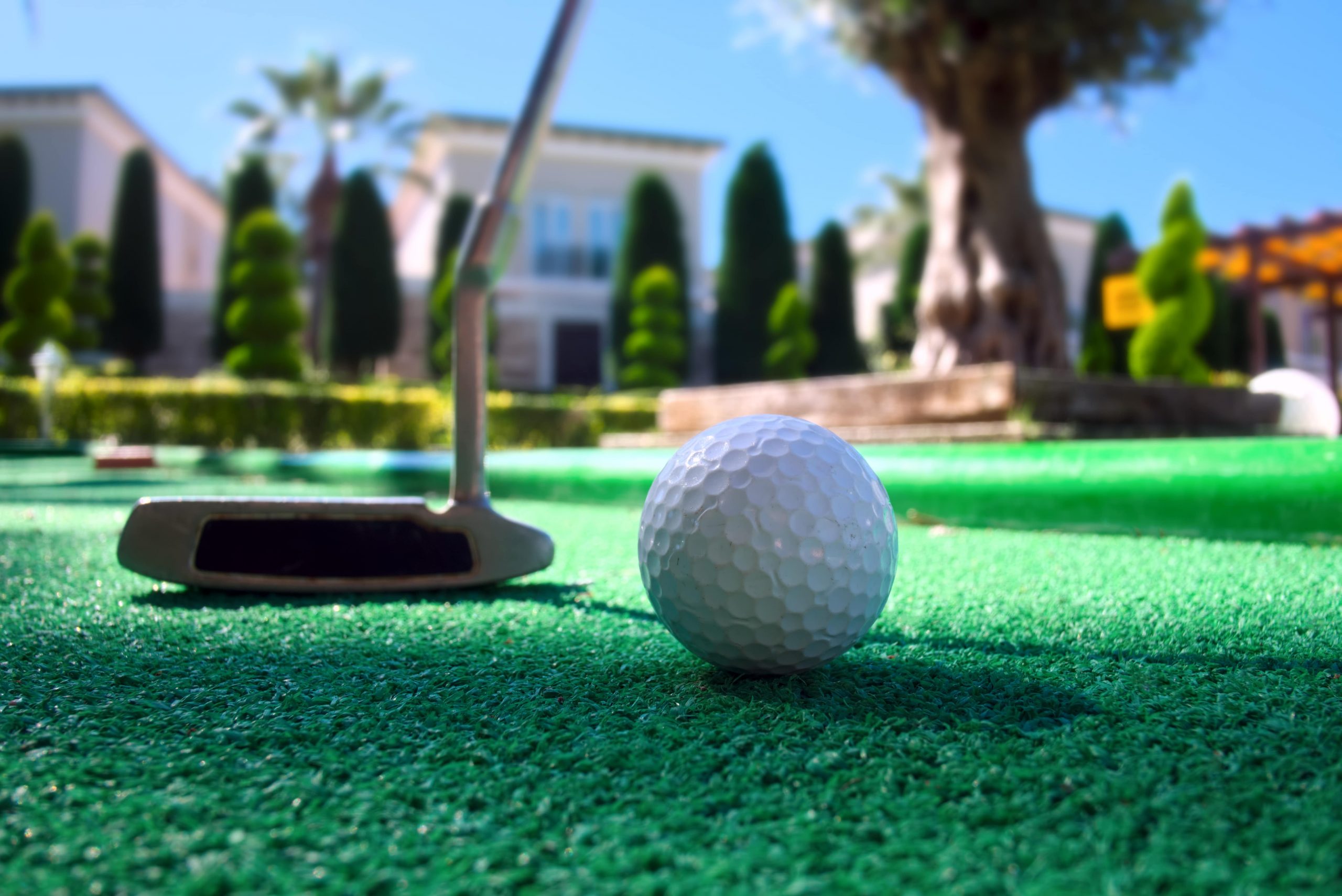
Creating a mini golf course in your backyard is a fun and rewarding project that can transform your outdoor space into a place for entertainment and relaxation. It is a great way to bring family and friends together while enjoying a simple and engaging activity at home. Whether you have a large yard or a small outdoor area, a mini golf setup can be designed to fit your space and style.
A backyard mini golf course does not need to be complicated or expensive. With careful planning, creative ideas, and the right materials, you can build a course that is both enjoyable and visually appealing. The key is to focus on simplicity, functionality, and creativity while making sure the layout is safe and easy to use.
This guide explains how to create your own mini golf course at home, from planning the layout to adding finishing touches that enhance the overall experience.
Planning Your Mini Golf Layout
The first step in building a backyard mini golf course is planning the layout. You should start by evaluating the available space and deciding how many holes you want to include. The layout should allow for smooth movement between holes while making the course easy to navigate.
Consider the shape and natural features of your yard. Areas with slight slopes or open spaces can be used to create interesting challenges. Planning each hole with a clear starting point and target helps maintain a structured design. Keeping the layout simple at first allows for easier adjustments later.
It is also important to think about safety and accessibility. Make sure there is enough space between holes to prevent accidents and ensure that players can move comfortably around the course.
Choosing the Right Materials
Selecting the right materials is essential for creating a durable and functional mini golf course. The surface should be smooth enough for the ball to roll properly while also being strong enough to withstand regular use.
You can use materials that are easy to find and work with. Flat boards, artificial grass, or smooth outdoor surfaces can serve as the base for each hole. Barriers can be created using wood, plastic, or other sturdy materials to keep the ball within the playing area.
Choosing quality materials ensures that the course lasts longer and requires less maintenance. It also improves the overall playing experience by providing a consistent and reliable surface.
Designing Creative Obstacles
Obstacles are what make mini golf fun and challenging. They add variety to each hole and keep players engaged. When designing obstacles, focus on creativity while keeping them simple enough to use safely.
You can create obstacles using everyday items such as small ramps, tunnels, or barriers. The goal is to add challenges that require skill and strategy without making the course too difficult. Balancing challenge and playability ensures that everyone can enjoy the game.
Adding unique features to each hole makes the course more interesting. This encourages players to try different approaches and keeps the experience enjoyable over time.
Setting Up the Putting Surface
The putting surface is one of the most important parts of a mini golf course. It should be smooth and level to allow the ball to roll naturally. Uneven surfaces can make the game frustrating and less enjoyable.
Take time to prepare the ground properly before placing the surface materials. Removing debris and leveling the area helps create a better playing experience. Once the surface is ready, secure it in place to prevent movement during use.
Maintaining a good putting surface ensures consistent gameplay. It also makes the course more enjoyable for players of all skill levels.
Adding Decorative Elements
Decorative elements can enhance the look and feel of your mini golf course. These features make the space more inviting and create a fun atmosphere. Simple additions such as plants, lights, or themed decorations can make a big difference.
You can choose a theme for your course to make it more unique. Whether it is a simple garden style or a playful design, a consistent theme adds personality to the space. Decorations should complement the layout without interfering with gameplay.
In Home and Garden, combining functionality with visual appeal is important. A well-decorated course not only looks good but also creates a more enjoyable environment.
Ensuring Safety and Comfort
Safety should always be a priority when building a backyard mini golf course. Make sure that all materials are secure and that there are no sharp edges or unstable structures. This helps prevent accidents and ensures that everyone can play comfortably.
Providing enough space for movement and keeping pathways clear improves safety. It is also helpful to consider weather conditions and ensure that the course remains safe during different seasons.
Comfort is also important for a positive experience. Adding seating areas or shaded spots allows players to relax between turns and enjoy the outdoor setting.
Maintaining Your Mini Golf Course
Regular maintenance is necessary to keep your mini golf course in good condition. Cleaning the surface, checking for damage, and making small repairs help extend the life of the course.
Keeping the area free from dirt and debris ensures smooth gameplay. Periodic inspections allow you to identify and fix issues before they become bigger problems.
Maintaining the course also keeps it looking fresh and inviting. A well-maintained setup encourages continued use and enjoyment.
Conclusion
Building a backyard mini golf course is a creative and enjoyable project that brings entertainment right to your home. By planning the layout carefully, choosing the right materials, and adding creative obstacles, you can create a fun and engaging space for family and friends. With proper maintenance and attention to detail, your mini golf course can provide long-lasting enjoyment and become a unique feature in your outdoor area.