
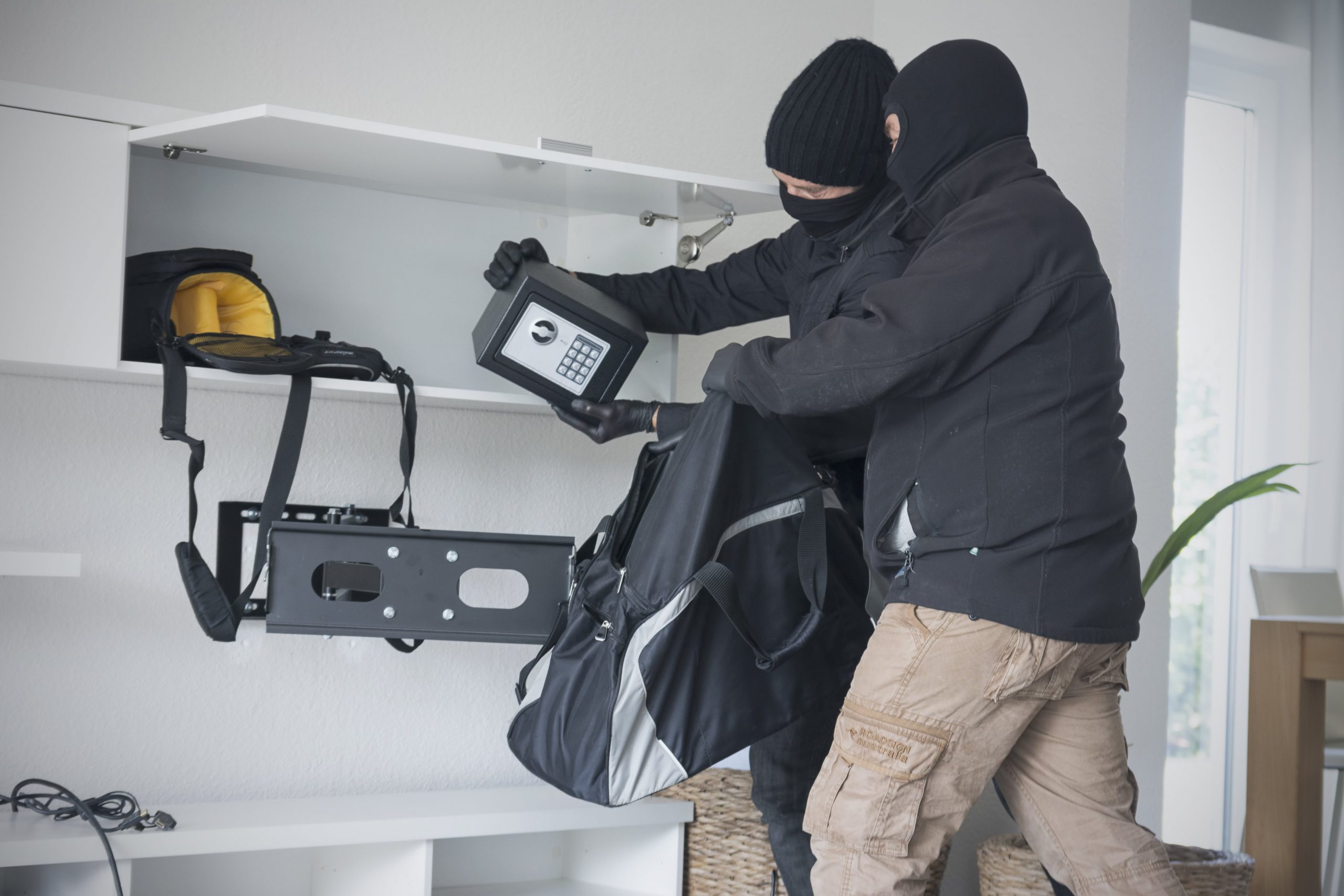
Keeping your home safe from theft is a top priority for any homeowner. A secure home not only protects your belongings but also ensures the safety and peace of mind of everyone living inside. While no home can be completely free from risk, taking the right precautions can greatly reduce the chances of a break in.
Many incidents of theft happen because of simple vulnerabilities such as unlocked doors, poor lighting, or lack of awareness. Criminals often look for easy targets, which means even small improvements in security can make a big difference. By understanding common risks and taking preventive steps, you can create a safer environment for your household.
This guide explores practical and effective ways to protect your home from theft, helping you build strong security habits and maintain a secure living space.
Strengthening Doors and Entry Points
One of the most important steps in home security is making sure that all entry points are strong and secure. Doors and windows are the most common access points for intruders, so they should be reinforced to prevent forced entry.
Using sturdy doors and reliable locking systems can make it much harder for anyone to break in. It is also important to check that doors close properly and that locks are in good condition. Even a strong door can become a weak point if it is not maintained.
Paying attention to smaller entry points, such as back doors or side entrances, is equally important. Securing every possible access point ensures that there are no easy ways for intruders to enter your home.
Installing Proper Lighting Around the Home
Good lighting is a simple yet powerful way to improve home security. Dark areas around the house can provide hiding spots for intruders, making it easier for them to approach unnoticed. Proper lighting helps eliminate these blind spots and increases visibility.
Outdoor lighting should cover entry points, walkways, and other important areas. Lights that turn on automatically can be especially effective because they respond to movement and draw attention to unusual activity.
A well-lit home not only improves safety but also discourages potential intruders. When a property is clearly visible, it becomes less appealing as a target.
Keeping Valuables Out of Sight
Displaying valuable items in plain view can attract unwanted attention. Items such as electronics, jewelry, or other expensive belongings should be kept out of sight from windows and public areas.
Simple actions like closing curtains or arranging furniture strategically can reduce visibility. Keeping valuables hidden makes it harder for outsiders to identify potential targets.
Being mindful of what can be seen from outside your home is an important part of security. It helps reduce temptation and lowers the risk of theft.
Using Security Systems and Devices
Security systems can provide an additional layer of protection for your home. These systems help monitor activity and alert you to potential threats. Even basic devices can improve safety and provide peace of mind.
Modern systems often include features such as alarms, cameras, and remote monitoring. These tools allow homeowners to stay informed and respond quickly if something unusual occurs.
In Home and Garden, integrating security features into your home design is becoming more common. A well-planned system enhances both safety and convenience.
Building Good Daily Habits
Daily habits play a major role in maintaining home security. Simple actions such as locking doors and windows, even when at home, can prevent many incidents. Consistency is key when it comes to safety.
Avoid sharing too much information about your schedule or absence. Keeping details private reduces the risk of someone taking advantage of your routine.
Developing strong habits ensures that security measures are always in place. These small actions can make a big difference over time.
Creating the Appearance of Occupancy
Homes that appear empty are often more attractive to intruders. Creating the impression that someone is present can help deter unwanted activity. This can be done by leaving lights on or using timers to control them.
Keeping the exterior maintained also contributes to this effect. A well-kept home suggests that it is regularly occupied and monitored.
These simple strategies can discourage potential intruders by increasing uncertainty. A home that appears active is less likely to be targeted.
Getting to Know Your Community
Being aware of your surroundings and building connections with neighbors can improve home security. A strong sense of community creates an environment where people look out for each other.
Neighbors can help monitor unusual activity and provide support when needed. Sharing information and staying informed about local conditions can increase awareness and preparedness.
Community involvement is an important aspect of safety. Working together helps create a more secure neighborhood for everyone.
Regular Maintenance and Safety Checks
Regular maintenance is essential for keeping your home secure. Checking locks, lighting, and other security features ensures that everything is functioning properly.
Addressing issues quickly prevents small problems from becoming larger risks. Routine inspections help identify weaknesses and allow for timely improvements.
Maintaining your home not only improves safety but also ensures that your security measures remain effective over time.
Conclusion
Protecting your home from theft requires a combination of strong security measures, good habits, and awareness. By securing entry points, improving lighting, using reliable systems, and staying mindful of your surroundings, you can significantly reduce the risk of break ins. Creating a safe home environment is an ongoing process, but with consistent effort, you can enjoy greater peace of mind and protect what matters most.