
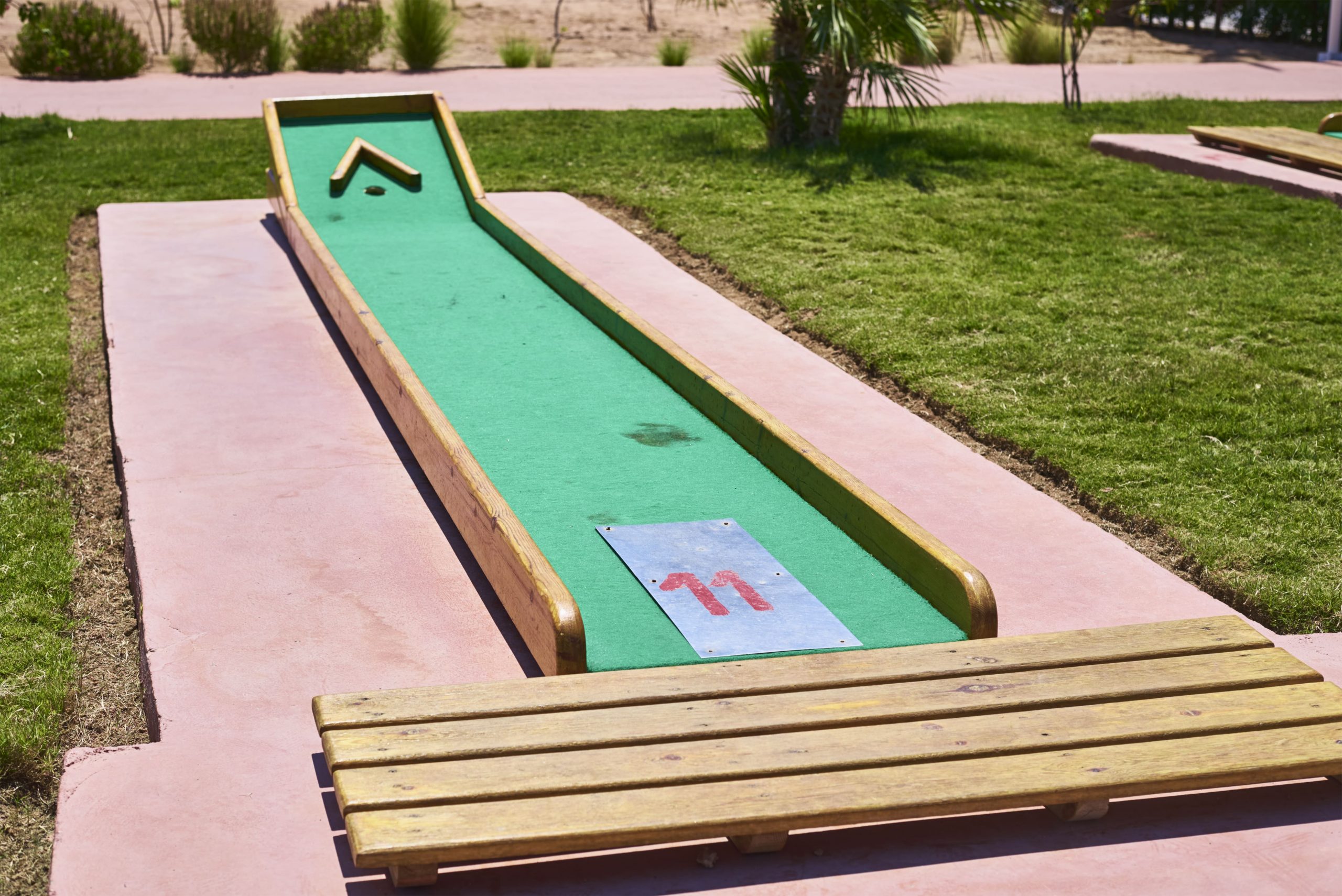
Starting a mini golf business can be an exciting opportunity for someone who wants to combine entertainment, creativity, and entrepreneurship. Mini golf appeals to a wide audience because it is simple to understand, fun for different age groups, and suitable for families, friends, tourists, and group events. Unlike businesses that depend on one type of customer, a mini golf venue can attract people looking for casual leisure, celebrations, and memorable experiences. That broad appeal makes it a promising option for long-term growth.
A mini golf business, however, requires more than a clever idea and an open space. Success depends on strong planning, smart budgeting, creative course design, and a clear understanding of what customers expect from a recreational venue. Every decision, from the location and theme to staffing and marketing, shapes the overall customer experience and the business’s profitability.
With the right strategy, a mini golf venue can become a reliable local attraction that generates repeat visits and builds a strong reputation over time.
Understand the Mini Golf Business Model
A mini golf business works best when it is viewed not just as a sports activity, but as an entertainment experience. Customers are not only paying to play a round of mini golf. They are paying for enjoyment, convenience, atmosphere, and the feeling of doing something memorable with other people. That means the business owner must think beyond the course itself and focus on the full customer journey from arrival to departure. A well-run mini golf venue creates an environment that is easy to access, enjoyable to explore, and comfortable enough to encourage repeat visits.
Revenue usually comes from admission fees, but the strongest businesses often expand beyond that single income source. Group bookings, birthday packages, food and drink sales, merchandise, and special events can all increase profitability. This makes the business more stable because it does not depend entirely on individual walk-in customers. A venue that offers value in multiple ways is more likely to perform well throughout different seasons and customer trends.
The owner should also understand the balance between fun and efficiency. A beautiful course that creates long wait times or confusion can hurt the customer experience. At the same time, a course that is practical but lacks character may struggle to stand out. In Business and Finance, successful entertainment ventures often grow because they balance operational efficiency with emotional appeal, and mini golf is no exception.
Research the Market and Define the Audience
Before launching a mini golf business, careful market research is essential. A strong idea becomes much more valuable when it is supported by real information about customer demand, nearby competition, and local spending habits. The owner should study whether the area already has similar attractions, how busy they are, what they charge, and what they offer beyond the basic game. This helps identify gaps in the market and reveals opportunities to provide something better or different.
Understanding the target audience is just as important as understanding competitors. Some locations may be best for family-oriented mini golf, while others may attract teenagers, young adults, tourists, or corporate groups. The design, pricing, branding, and promotions should all match the audience most likely to visit. A business near schools and residential neighborhoods may benefit from family packages and weekend promotions, while one near tourist areas may benefit from themed attractions and social media appeal.
Research should also include seasonal patterns, local traffic flow, and spending behavior. If the area experiences tourism peaks or weather-related slow periods, the owner needs to plan around those changes. This information shapes smarter decisions about pricing, staffing, marketing, and even operating hours. A mini golf business has a better chance of success when it is built around actual customer behavior rather than assumptions.
Choose the Right Location and Build the Right Experience
Location is one of the most important decisions in starting a mini golf business. Even the best-designed course can struggle if it is difficult to find, inconvenient to access, or located in an area with low foot traffic. A strong location should be visible, easy to reach, and close to places where people already spend leisure time. Areas near shopping centers, family destinations, entertainment districts, or busy roads often provide stronger potential for consistent customer flow.
The physical layout of the space matters as much as the address itself. The owner should think about parking, entrance flow, waiting areas, customer safety, and room for future additions. If the course feels crowded or confusing, customers may not return even if the game itself is enjoyable. A comfortable space with clear movement, attractive landscaping, and seating areas can improve the entire experience. People remember how a place feels, not just how it looks.
The overall experience should be built with intention. A plain course may function well, but a themed course can become a destination. Creative obstacles, strong visual identity, music, lighting, and photo-friendly features can make the venue more memorable. Customers are more likely to share experiences that feel unique, and that kind of exposure helps the business grow through word of mouth. A mini golf venue should not simply offer holes and scorecards. It should offer an atmosphere people want to return to and recommend.
Plan the Budget, Equipment, and Daily Operations
Financial planning is critical when starting a mini golf business because the initial setup costs can be significant. The owner must account for land or rental costs, construction, course design, materials, permits, signage, lighting, landscaping, furniture, and staff expenses. Without a realistic budget, it becomes easy to underestimate how much money is needed to open and operate the venue properly. It is also important to set aside funds for unexpected costs, because construction and setup often involve delays or changes.
Equipment choices should be made with long-term durability in mind. Cheap materials may reduce startup costs, but they can lead to faster wear, more repairs, and a lower-quality customer experience. Clubs, balls, scorecards, cleaning tools, barriers, and decorative features all contribute to daily operations. The owner should also think about systems for admissions, customer flow, maintenance, and cash handling. A mini golf venue is most successful when daily operations are simple, organized, and repeatable.
Staffing also needs careful attention. Employees shape the experience through customer service, cleanliness, and problem solving. Friendly and efficient staff can turn a casual visitor into a repeat customer, while poor service can weaken even a beautiful venue. The business should have clear procedures for opening, closing, maintenance checks, and customer support. A mini golf business may look playful from the outside, but behind the scenes it requires disciplined operations to stay profitable and consistent.
Market the Business and Build Customer Loyalty
Marketing should begin before the venue opens. A mini golf business benefits from building anticipation early through strong branding, local promotion, and a clear message about what makes the venue special. The owner should create a memorable name, visual identity, and marketing style that reflects the course theme and target audience. This helps the business stand out and makes promotions more effective. A strong first impression matters because entertainment businesses often rely on emotional appeal as much as practical value.
Digital marketing is especially important for a mini golf venue because customers often search online before deciding where to go. A clean website, active social media presence, attractive photos, and easy-to-find location details all help build trust and interest. Promotions for opening day, family deals, seasonal events, and group packages can create momentum. Encouraging customers to share photos and experiences online can also increase visibility without large advertising costs.
Loyalty is built when the experience remains strong after the first visit. The owner should think about repeat offers, birthday promotions, group incentives, and occasional updates that keep the venue fresh. Customers return when they feel welcomed, entertained, and valued. That means marketing should not stop once the venue opens. It should continue through customer engagement, local partnerships, and regular efforts to stay relevant. A mini golf business grows best when it treats every visitor not just as a sale, but as a potential long-term supporter.
Conclusion
Starting a mini golf business is a rewarding opportunity for an entrepreneur who wants to build a venue that combines recreation, creativity, and reliable income potential. Success depends on much more than constructing a course. It requires a clear business model, detailed market research, the right location, smart budgeting, efficient daily operations, and consistent marketing that keeps customers interested long after opening day. A well-planned mini golf venue can attract families, groups, and casual visitors by offering an experience that feels fun, welcoming, and memorable. When the owner focuses on both operational discipline and customer enjoyment, the business becomes more than a place to play. It becomes a local attraction with repeat value, strong word-of-mouth potential, and room for long-term growth. With the right approach, a mini golf business can turn a simple entertainment concept into a profitable and lasting venture.